
Working Out for Stronger Bones: It's Not Just About Muscle
Working Out for Stronger Bones: It's Not Just About Muscle
Active Star
10/23/20252 min read

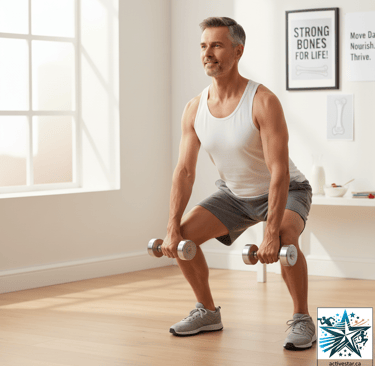
Beyond Muscle and Cardio: Working Out for Stronger Bones
When we discuss fitness, the conversation often revolves around visible muscle definition and heart health. However, one of the most vital, yet frequently overlooked, long-term benefits of exercise is its profound positive impact on your skeletal system. Working out is a non-negotiable strategy for achieving and maintaining stronger, denser bones.
Your bones are living tissue, and they respond to the demands placed upon them. Engaging in weight-bearing and resistance exercises creates a beneficial, mechanical stress on the bone structure. This stress triggers bone-forming cells to work harder, laying down new tissue and leading to measurable increases in bone density and strength over time.
This benefit is absolutely crucial as we age. Peak bone mass is typically reached in our 20s, and we gradually begin to lose it afterward. Consistent bone-loading exercise is your best defense against age-related conditions like osteoporosis (porous, brittle bones) and dramatically reduces your risk of debilitating fractures. A routine that includes resistance training is an investment in a strong, resilient foundation that supports an active, independent life.
4 Steps to Build Bone Density Through Exercise
Follow this simple, effective plan to ensure your fitness routine is actively contributing to skeletal strength.
Step 1: Prioritize Weight-Bearing Cardio
Weight-bearing exercise is any activity where your body works against gravity. This is the simplest way to stimulate bone growth in your lower body.
Action: Swap low-impact cardio (like cycling or swimming) for weight-bearing options at least 3-4 times per week.
Examples:
Walking (especially brisk walking)
Jogging/Running
Dancing (Zumba, hip-hop, etc.)
Hiking
Stair Climbing
Step 2: Incorporate Resistance Training
Resistance training is essential because it puts pulling and pushing forces on the bone via the attached muscles, providing a powerful bone-building stimulus throughout the entire body.
Action: Commit to 2–3 resistance training sessions per week, focusing on major muscle groups (legs, back, chest, shoulders).
Examples:
Free Weights: Dumbbells, barbells, or kettlebells.
Machines: Using gym equipment.
Bodyweight Exercises: Squats, lunges, push-ups, planks, and glute bridges.
Resistance Bands: A great low-cost, portable option.
Step 3: Focus on Bone-Loading Movements
Certain movements are particularly effective at loading the bones and stimulating density, especially quick, dynamic movements.
Action: Include brief bursts of impact in your routine.
Examples:
Jump Squats or Box Jumps (if safe for your joints).
Jumping Jacks or high-impact aerobics.
Quick, explosive strength exercises (e.g., cleans or snatches, under expert guidance). Note: Consult a doctor before starting high-impact activities if you have pre-existing bone or joint issues.
Step 4: Ensure Proper Nutrition
Exercise alone is not enough; your body needs the right building blocks to lay down new bone tissue effectively.
Action: Ensure your diet is rich in calcium and Vitamin D.
Sources:
Calcium: Dairy products, fortified plant milks, leafy greens (like kale), and tofu.
Vitamin D: Fatty fish, fortified foods, and (most importantly) controlled sun exposure. If needed, consult your doctor about supplements.
Your Next Action: Review your weekly routine. If you don't have at least two days dedicated to resistance or weight training, schedule them now. Start with three sets of 10 bodyweight squats and 10 push-ups today!