
Understanding Macronutrients: Fueling Your Body Right
Understanding Macronutrients: Fueling Your Body Right
Active Star
10/31/20253 min read
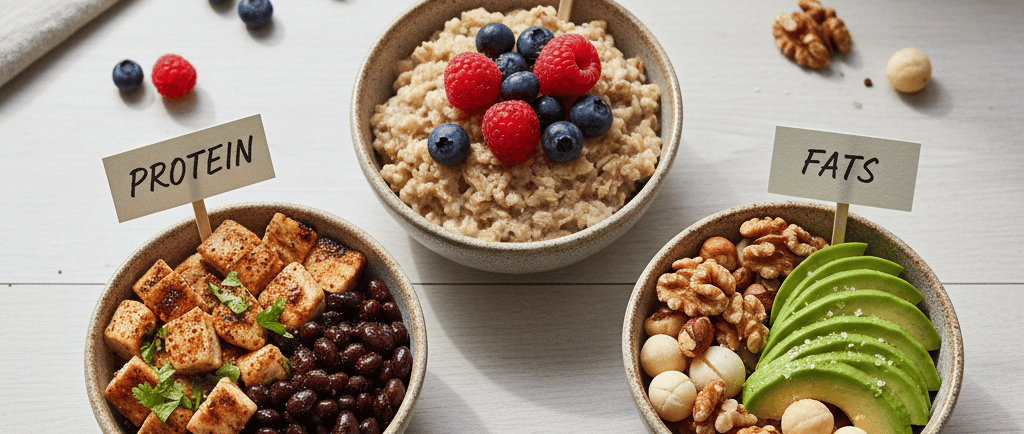
Understanding Macronutrients: The Essential Fuel for Your Body
Navigating the world of nutrition can feel overwhelming, but it all comes down to three fundamental building blocks: protein, carbohydrates, and fats. Together, these are the macronutrients that provide the energy (calories) and raw materials your body needs to thrive. Instead of viewing them through a lens of "good" or "bad," think of them as a team of specialized experts, each with a unique and vital role to play. Learning to harness the power of all three is the secret to sustained energy, stable moods, and achieving your health goals.
Your Action Plan: Mastering Macronutrient Balance in 4 Steps
Follow this guide to move from confusion to confidence in fueling your body.
Step 1: Meet the "Macro Team" – Learn Their Core Functions
First, understand what each macronutrient does for you. This knowledge transforms food from mere calories into functional fuel.
Protein: The Builder & Repairman
Primary Role: Builds and repairs tissues, including muscle. It's essential for creating enzymes, hormones, and a strong immune system. Protein is also highly satiating, helping you feel full and satisfied.
Think of it as: The construction crew and maintenance team for your body.
Quality Sources: Chicken breast, fish, eggs, Greek yogurt, lentils, tofu, tempeh, and beans.
Carbohydrates: The Premium Fuel
Primary Role: Your body's main and most efficient source of energy. They fuel your brain, nervous system, and muscles during physical activity.
Think of it as: The high-octane gasoline for your engine.
Quality Sources: Focus on Complex Carbs like oats, quinoa, sweet potatoes, brown rice, whole-grain bread, fruits, and vegetables. These provide steady energy due to their fiber content.
Fats: The Strategic Reserve & System Regulator
Primary Role: Provides a concentrated energy source, supports cell growth, protects your organs, and is essential for absorbing fat-soluble vitamins (A, D, E, and K). Fats are also crucial for hormone production and brain health.
Think of it as: The long-burning log on the fire and the oil that keeps the machine running smoothly.
Quality Sources: Avocado, nuts, seeds, olive oil, and fatty fish like salmon.
Step 2: Ditch the "Villain" Mentality – Embrace the Power of All Three
The healthiest diets don't eliminate macronutrients; they balance them.
The Truth About Carbs: They are not the enemy. The key is choosing the right kind. Highly processed carbs (soda, candy, white bread) spike your blood sugar, while complex carbs provide sustained energy and nutrients.
The Truth About Fats: Dietary fat does not directly translate to body fat. Healthy fats are indispensable for optimal health.
The Goal: Your body needs all three to function optimally. Cutting one out is like trying to build a house without one of the essential teams of workers.
Step 3: Apply the "Balanced Plate" Method – Your Visual Guide to Every Meal
This simple, visual tool eliminates the need for complex calorie or macro counting, especially for beginners.
The Formula: Aim to fill your plate with:
~50% Colorful Carbohydrates: Non-starchy vegetables (broccoli, peppers, leafy greens) and some fruit.
~25% Lean Protein: A palm-sized portion of your chosen protein source.
~25% Complex Carbs & Healthy Fats: A fist-sized portion of complex carbs (quinoa, sweet potato) and a thumb-sized portion of healthy fats (avocado, a drizzle of olive oil, a sprinkle of nuts).
Example Balanced Meals:
Breakfast: Scrambled eggs (protein) with spinach and avocado (fat) and a side of berries (carb).
Lunch: A large salad with grilled chicken (protein), quinoa (complex carb), and an olive oil-based vinaigrette (fat).
Dinner: Baked salmon (protein & fat) with roasted broccoli and a small sweet potato (complex carb).
Step 4: Listen and Adjust – Tune Into Your Body's Signals
This framework is a starting point, not a rigid rule. Your perfect balance is unique to you.
Ask Yourself:
Are I feeling low on energy? You might need more complex carbohydrates.
Am I feeling hungry an hour after a meal? You might need more protein and/or fat to increase satiety.
How is my digestion, mood, and sleep? A balanced diet supports all of these. Note how different food combinations make you feel.
Adjust Accordingly: Use your body's feedback to slightly adjust your portions. An athlete will need more carbs than someone with a sedentary job. Someone looking to build muscle may prioritize protein.
The Bottom Line:
Understanding macronutrients empowers you to make informed food choices that go beyond calorie counting. By learning the roles of protein, carbs, and fats and applying the balanced plate method, you can create meals that provide steady energy, keep you satisfied, and supply your body with the comprehensive nutrition it needs to perform at its best.