
Healthy Eating Myth Bust: Fat is Not the Enemy
Healthy Eating Myth Bust: Fat is Not the Enemy
Active Star
10/25/20252 min read
Healthy Eating Myth Bust: Fat is Not the Enemy
The long-standing myth that all dietary fat is harmful is one of the biggest misconceptions in modern nutrition. For decades, low-fat diets dominated, but contemporary science is clear: healthy fats are absolutely essential for optimal health and vitality. They are not a nutritional villain; they are a powerhouse of long-lasting energy and critical bodily functions.
Your body requires fat for fundamental processes, including:
Vitamin Absorption: Fats are necessary to absorb fat-soluble vitamins (A, D, E, and K). Without adequate fat, you can't utilize these crucial micronutrients.
Brain and Hormone Function: Fats, particularly Omega-3s, are vital building blocks for brain cells, supporting cognitive function and mood. They are also crucial for the production and regulation of hormones.
Satiety and Energy: Healthy fats provide a concentrated source of calories that help you feel satiated for longer, preventing overeating and stabilizing blood sugar levels.
The real key to success is distinguishing between beneficial fats and harmful fats. You must embrace natural, whole-food sources of unsaturated fats and completely eliminate manufactured trans fats and over-processed oils.
4 Steps to Incorporate Healthy Fats into Your Diet
Follow this simple, actionable plan to ditch the unhealthy fats and make the beneficial ones a core part of your daily nutrition.
Step 1: Identify and Eliminate Harmful Fats
The first step is a clean sweep of the fats that actively undermine your health, primarily artificial trans fats and highly refined oils.
Target: Hydrogenated and partially hydrogenated oils (found in many store-bought baked goods, fried foods, and highly processed snacks). Also, reduce intake of refined seed oils (like soy, corn, or vegetable oil) often used in restaurant frying.
Action: Read ingredient labels and discard any product listing "partially hydrogenated oil."
The Swap: Replace vegetable and canola oil with extra virgin olive oil for dressings and low-heat cooking, and use avocado oil or coconut oil for higher-heat cooking.
Step 2: Make Room for Monounsaturated Power
Monounsaturated fats are known for their cardiovascular benefits and are easy to add to meals.
Target: Replace processed crackers or chips with whole-food options rich in monounsaturated fat.
The Swap:
Eat half an avocado daily, adding it to sandwiches, salads, or smoothies.
Grab a small handful (about $1/4$ cup) of nuts (almonds, cashews, pecans) as a satisfying snack.
Use nut butter (check the label for "no added sugar") on fruit or whole-grain toast.
Step 3: Prioritize Omega-3s (Polyunsaturated Fats)
Omega-3 fatty acids are critical for brain health, reducing inflammation, and supporting skin health. Since the body cannot produce them, they must come from food.
Target: Introduce sources of Omega-3s at least 3–4 times per week.
The Swap:
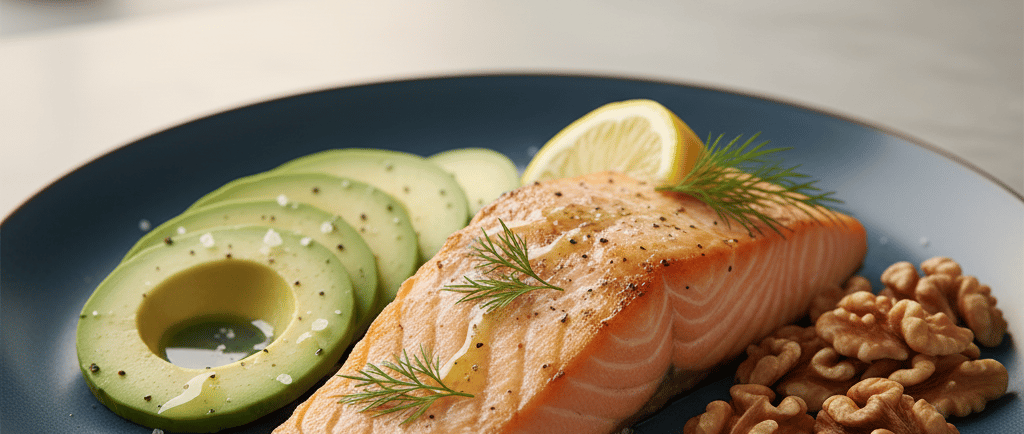
Eat fatty fish like salmon, mackerel, or sardines twice a week.
Add chia, flax, or hemp seeds to your daily routine. Grind flax seeds for better absorption and sprinkle them on yogurt, oatmeal, or in smoothies.
Step 4: Focus on Healthy Cooking Methods
The way you prepare food can instantly turn a healthy fat source into a less healthy one.
Action: Avoid deep frying completely.
Action: Stick to baking, roasting, grilling, or light sautéing with a controlled amount of a healthy, heat-stable oil (like avocado or coconut oil).
Tip: When ordering out, ask for sauces and dressings on the side to control the amount of hidden, processed fats you consume.
Your Next Action: Check your refrigerator or pantry right now. Which one source of healthy fat (avocado, nuts, or fatty fish) can you ensure you consume today?