Essential Yoga Gear for Beginners: Keeping it Simple
Essential Yoga Gear for Beginners: Keeping it Simple
Active Star
10/24/20252 min read
Essential Yoga Gear for Beginners: Keeping it Simple
Starting your yoga journey should be about the practice, not the shopping list. While the industry offers a dazzling array of equipment, you absolutely do not need expensive gear. A minimalist approach is best, focusing on a few essential tools that enhance comfort, safety, and proper alignment.
These foundational items are there to support your body as you develop flexibility and strength, ensuring that the experience is effective and strain-free. Remember: the gear is an accessory; the commitment to the practice is the key.
Your 4-Step Guide to Essential Yoga Equipment
Follow these steps to equip yourself affordably and effectively, maximizing the benefits of every session.
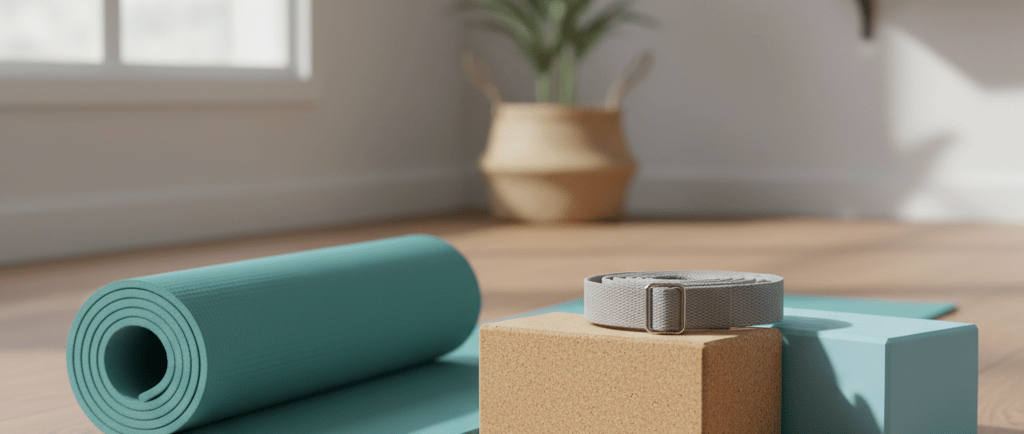
Step 1: The Non-Negotiable Foundation: The Mat
The yoga mat is the most critical piece of equipment. It serves two primary functions: cushioning and grip.
Goal: Find a mat with good traction to prevent slipping and adequate cushioning (usually 4mm to 6mm thickness) to protect your knees, wrists, and spine.
Action: Invest in a non-slip yoga mat. Look for materials like natural rubber or TPE, which offer superior grip compared to cheap PVC.
Tip: If you are practicing on a carpeted floor, a thinner mat will provide more stability. If you are practicing on a hard floor, prioritize thickness for joint protection.
Step 2: Bridge the Gap: The Yoga Blocks
Blocks are the beginner's best friend. They are not a crutch; they are a tool that allows you to modify poses to match your current level of flexibility while maintaining proper alignment.
Goal: Use blocks to "bring the floor closer" to your hands or head in seated or standing poses.
Action: Purchase two sturdy yoga blocks. Cork and foam are the most common materials. Foam is lighter; cork is denser and offers more stability.
Use Cases: Place them under your hands in poses like Triangle Pose (Trikonasana) or Half Moon Pose (Ardha Chandrasana) to keep your spine straight, or use them to support your head in restorative poses.
Step 3: Extend Your Reach: The Yoga Strap
A strap is an excellent tool for increasing the efficacy of deep stretches without forcing or straining your muscles. It acts as an extension of your limbs.
Goal: Use the strap to help access stretches and bind your hands in poses that require more shoulder or hamstring flexibility than you currently possess.
Action: Acquire one durable cotton or nylon strap (usually 6 to 10 feet long). Ensure it has a buckle or D-ring to create secure loops.
Use Cases: Loop it around your foot to deepen hamstring stretches, use it to connect your hands behind your back in shoulder stretches, or to maintain a proper hold in seated forward folds.
Step 4: Keep it Simple and Affordable
Resist the urge to buy every gadget. Your initial focus should be on building a consistent practice.
Action: Avoid buying expensive yoga apparel initially; comfortable, flexible clothing (like leggings or shorts and a fitted top) that allows for a full range of motion is perfect.
Action: Use household items as substitutes while you decide if you'll stick with the practice. A sturdy belt can replace a strap, and thick books or sturdy containers can temporarily stand in for blocks.
Tip: After six months of consistent practice, you can consider upgrading your gear based on your specific needs (e.g., a meditation cushion or a grip spray).
Your Next Action: Prioritize buying a comfortable, non-slip mat this week. Once you have it, practice the Mountain Pose (Tadasana) on it every day for a minute to simply feel grounded.